
The ear consists of three parts: the outer ear, the middle ear and the inner ear. Hearing loss can result from damage to any of these three parts. Hearing loss is a major public health issue and is the third most common physical condition after arthritis and heart disease.
Normal Ear Function
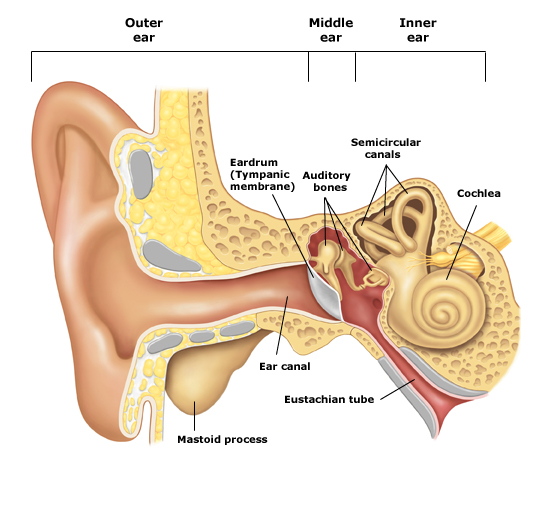
External Ear
Gathers sound waves and directs them towards the ear drum.
Middle ear
Transmits sound waves to the inner ear via vibration of Tympanic membrane (drum) and the three small ear bones: Malleus, incus and stapes.
Inner ear
Movement of the stapes stimulates the delicate hearing nerve endings which are bathed in Fluid In the inner ear(cochlea). Electric impulse is created and transmitted to the brain via hearing nerve , and is interpreted as sound.
Why do you need Hearing tests?
Hearing Tests determine the type and degree of hearing loss which will help the doctor to diagnose the pathology which causes Hearing loss.
1. Types of hearing loss
There are three types of hearing loss
2. Degree of Hearing loss
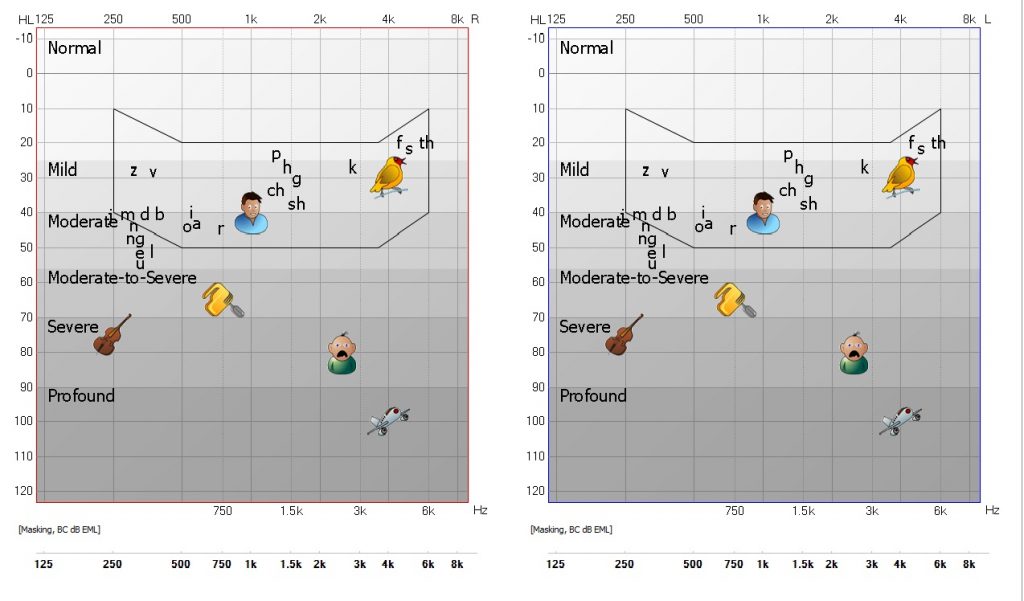
Normal Hearing: Hearing threshold between 10-20DBHL
Mild Hearing Loss: Hearing threshold between 25-40DBHL (8-15% hearing loss)
Patient will have difficulties in hearing soft or distant speech
Moderate Hearing loss: Hearing threshold between 40-65DBHL (20-45% hearing loss)
Patient will have trouble in hearing speech at normal conversation level
Severe Hearing loss: Hearing threshold between 65-90DBHL (60-90% hearing loss)
Patient will have difficulties in hearing loud speech
Profound Hearing Loss: Hearing threshold above 90 DBHL
Patient will not hear all environmental sounds
When Do You Need a Hearing Test?

You should consider a hearing assessment if you:
- Have difficulty understanding speech, especially on the telephone or television
- Find it difficult to follow conversations in noisy restaurants or crowded places
- Frequently ask people to repeat themselves
- Have difficulty hearing the telephone, doorbell, or other everyday sounds
- Experience ringing or buzzing in the ears (tinnitus)
- Feel that one ear hears better than the other
- Experience sudden or progressive hearing loss
- Have persistent ear blockage or pressure
- Have been exposed to loud noise
Your child may need a hearing test if they:
- Do not startle or respond to loud sounds
- Do not turn toward sounds by around 6 months of age

- Have delayed speech or language development
- Frequently do not respond when called
- Turn the television volume unusually high
- Have difficulty understanding speech
- Have recurrent middle-ear infections or fluid behind the eardrum
- Have difficulties at school that may be related to hearing
Hearing Tests Available in Dubai
Adult Hearing Tests
- Pure Tone Audiometry (PTA)
- Speech Audiometry
- Free-Field Audiometry
- High-Frequency Audiometry
- Tinnitus Assessment
- Tympanometry and Middle Ear Assessment
 Acoustic Reflex Testing
- Acoustic Reflex Decay Test
- Tone Decay Test
- Hearing Aid Assessment and Counselling
Pediatric Hearing Tests
- Newborn Hearing Screening
- Otoacoustic Emissions (OAE: TEOAE and DPOAE)
- Auditory Brainstem Response (ABR)
- Visual Reinforcement Audiometry (VRA)
- Conditioned Play Audiometry (CPA)
- Pure Tone Audiometry for Older Children
- Tympanometry and Middle Ear Assessment

- Acoustic Reflex Testing
Otoacoustic Emissions OAE
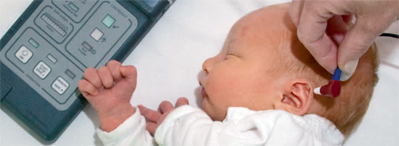
Microphone is placed in the ear, sounds are played and a response is measured. If a baby hears normally, an echo is reflected back into the ear canal and is measured by the microphone (pass). When a baby has a hearing loss, no echo can be measured on the TOAE test (refer).
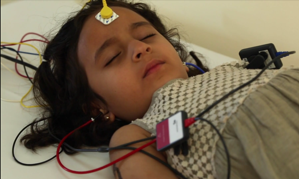 Auditory Brainstem Response ABR
Sounds are played to the baby’s ears. Electrodes are placed on the baby’s head to detect responses. This test measures how the hearing nerve responds to sounds and can identify babies who have hearing loss
Both tests work best when your baby is quiet and sleeping.
How Is Hearing Loss Treated or Managed?
Treatment for hearing loss depends on the type, cause, severity, and individual needs of the patient. Management may include medical treatment, surgery, hearing aids, implantable hearing devices, or a combination of these approaches.
Conductive hearing loss is caused by problems affecting the outer or middle ear. Depending on the cause, treatment may include removal of earwax, treatment of infection or middle-ear fluid, tympanostomy tubes, reconstructive ear surgery, or hearing devices.
Sensorineural hearing loss results from damage or dysfunction involving the inner ear or auditory nerve. Depending on the degree and cause of hearing loss, management may include hearing aids, other hearing devices, or cochlear implantation in appropriately selected patients.
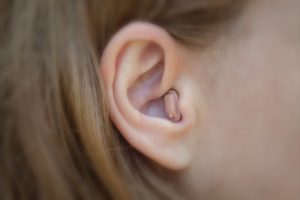 What Are Hearing Aids?
Hearing aids are electronic devices designed to improve hearing and speech understanding for people with hearing loss. Modern digital hearing aids use microphones to detect sound, process and amplify the sound according to the individual’s hearing needs, and deliver it to the ear through a receiver.
The most appropriate hearing aid depends on the type and degree of hearing loss, the patient’s listening needs, ear anatomy, lifestyle, and personal preferences.
What Are Cochlear Implants?
A cochlear implant is an electronic implantable medical device for people with severe-to-profound hearing loss who receive limited benefit from conventional hearing aids. Unlike a hearing aid, which amplifies sound, a cochlear implant converts sound into electrical signals that directly stimulate the auditory nerve. This means that it can bypass the damaged areas of the ear
Conductive Hearing loss
Conductive hearing loss occurs when sound cannot travel efficiently through the outer ear or middle ear to reach the inner ear. It may be caused by conditions such as impacted earwax, middle ear fluid, eardrum perforation, middle ear infection, or otosclerosis.
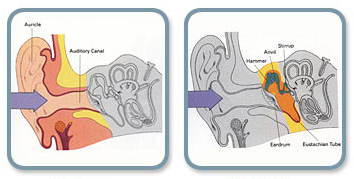
Patients with conductive hearing loss may experience reduced or muffled hearing, a blocked or full sensation in the ear, or difficulty hearing quiet sounds. Depending on the underlying cause, conductive hearing loss may be temporary or persistent.
Many causes of conductive hearing loss can be successfully treated. Treatment depends on the underlying condition and may include earwax removal, medical treatment, management of middle ear fluid, surgery, or hearing devices when appropriate.
Common Causes of Conductive Hearing Loss
1. Impacted Wax or cerumen
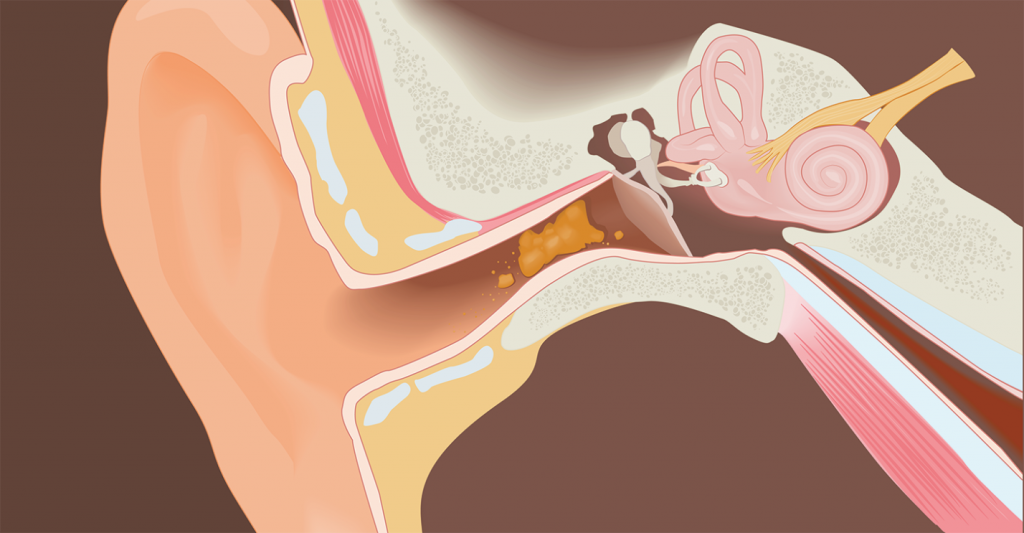
Earwax (cerumen) is a natural substance produced by glands in the ear canal. It helps protect and lubricate the ear canal and has antibacterial properties.
Normally, earwax gradually moves out of the ear canal naturally. However, in some people it can accumulate and become impacted, causing ear blockage, reduced hearing, discomfort, itching or tinnitus. Impacted earwax may cause conductive hearing loss by preventing sound from reaching the eardrum effectively.
When necessary, impacted earwax can be removed safely by an ENT specialist using microsuction or appropriate instruments under direct visualization.
2. Otitis media with effusion
3. Tympanic Membrane (Eardrum) Perforation
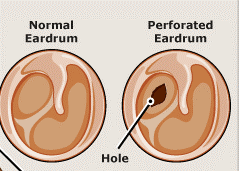
A tympanic membrane perforation is a hole or tear in the eardrum, the thin membrane separating the external ear canal from the middle ear. It may occur following an ear infection, trauma, sudden pressure changes (barotrauma), or other injury to the ear.
The perforation may be temporary and heal spontaneously, while some perforations persist and require further treatment.
What are the symptoms of perforated eardrum?
Symptoms vary depending on the cause and size of the perforation. Patients may experience hearing loss, ear discharge, ear discomfort, tinnitus or a blocked sensation in the ear. Some patients may notice air or a whistling sensation in the ear when blowing the nose. A perforated eardrum can also increase the risk of middle ear infection, particularly when water enters the ear.
How is tympanic membrane perforation diagnosed?
Tympanic membrane perforation is usually diagnosed by examination of the ear using an otoscope or microscope. Hearing tests may also be recommended to assess the type and degree of hearing loss and to evaluate middle ear function.
How is tympanic membrane perforation treated?
Many acute tympanic membrane perforations heal spontaneously. During the healing period, the ear should be kept dry and any associated infection should be treated appropriately.
Persistent perforations that do not heal may require surgical repair with myringoplasty or tympanoplasty, particularly when they are associated with recurrent ear infections or significant hearing loss.
If cholesteatoma or other chronic middle ear disease is suspected, further assessment and appropriate surgical treatment may be required.
How to Protect an Ear with an Eardrum Perforation
- Keep the ear dry until your ENT doctor confirms that the perforation has healed.
- When showering or bathing, protect the ear from water as advised by your doctor.
- Avoid swimming unless your ENT doctor confirms that it is safe.
- Do not insert cotton buds or other objects into the ear canal.
- Avoid forceful nose blowing.
- Use ear drops only when prescribed or recommended by your doctor.
Myringoplasty
Myringoplasty is a surgical procedure performed to repair a persistent perforation of the eardrum. The aim of surgery is to close the perforation, reduce the risk of recurrent middle ear infections and, when possible, improve hearing.
During the procedure, a graft is used to repair the eardrum. The operation may be performed through the ear canal or through a small incision around the ear, depending on the location and size of the perforation and the surgical technique used.
The expected benefits, possible risks and likelihood of successful closure are discussed individually with the patient before surgery.
4. Otosclerosis
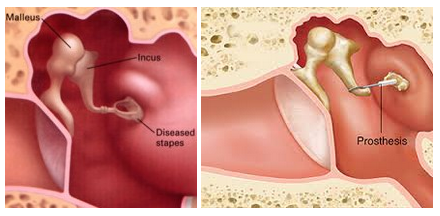
What is Otosclerosis?
Otosclerosis is a disease which affects the three small bones in the middle ear, more specifically the stapes. A part of the bone will grow abnormally and this bone growth will prevent the stapes from vibrating normally in response to sound.
What are the symptoms?
The patient will have gradual progressive hearing loss and buzzing sounds in both ears. The hearing loss will start in one of the ears and later it will bilateral.
What is the treatment of Otosclerosis?
In the early stages of otosclerosis, when hearing loss is mild and does not significantly affect daily activities, regular hearing monitoring may be appropriate.
When hearing loss becomes more significant, treatment options may include:
- Hearing aids – to amplify sound and improve hearing.
- Stapedotomy surgery – a surgical procedure that can improve conductive hearing loss by restoring sound transmission through the middle ear.
The most appropriate treatment depends on the degree and type of hearing loss, the patient’s symptoms, hearing test results, general health, and individual preference.
Stapedotomy
Stapedotomy is a surgical procedure used to improve hearing in selected patients with otosclerosis. In otosclerosis, abnormal bone growth around the stapes can restrict its movement and reduce the transmission of sound to the inner ear.
During stapedotomy, a small opening is created in the fixed stapes footplate and a tiny prosthesis is inserted to improve the transmission of sound vibrations to the inner ear.
The procedure may be performed under general or local anaesthesia. Suitability for surgery is determined after ENT examination and appropriate hearing tests.
Sensoneural Hearing loss
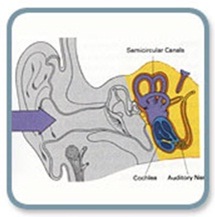
Sensorineural hearing loss occurs when there is damage to the inner ear (cochlea) or the auditory nerve pathways.
People with sensorineural hearing loss may hear sounds but have difficulty understanding speech, particularly in noisy environments. They may also notice that speech sounds unclear, have difficulty hearing higher-pitched voices or sounds, and may experience tinnitus. The severity can range from mild to profound.
Common Causes of Sensorineural Hearing Loss
1. Presbycusis or age related hearing loss
Age-related hearing loss (presbycusis) is a gradual decline in hearing that occurs as people get older. It usually affects both ears and commonly affects higher frequencies first.
It is mainly related to age-related changes in the inner ear and auditory pathways. Genetics, long-term noise exposure, certain medical conditions and some medications may also contribute.
2. Noise induced hearing loss
Loss of hearing because of exposure to loud sounds , The exposure may be one-time exposure but intense, such as an explosion or may be continuous exposure to loud sounds over long period of time, such as noise generated in a woodworking shop.
Some activities such as target shooting and hunting, snowmobile riding, listening to MP3 players at high volume through earbuds or headphones, playing in a band, and attending loud concerts can put you at risk for Noise induced hearing loss.
Can NIHL be prevented?
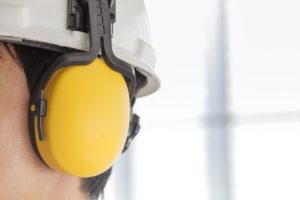 NIHL is the only type of hearing loss that is completely preventable. Here’s how:
- Know which noises can cause damage (those at or above 85 decibels).
- Wear earplugs or other protective devices when involved in a loud activity
- If you can’t reduce the noise or protect yourself from it, move away from it.
- Turn the volume down if you can
- Protect the ears of children who are too young to protect their own.

3. Other causes of sensorineural hearing loss
Sensorineural hearing loss may also be associated with inner-ear and neurological conditions such as Ménière’s disease and acoustic neuroma (vestibular schwannoma). These conditions may cause hearing loss together with tinnitus, dizziness or vertigo and may require specialized hearing and balance assessment.
Learn more about these conditions in the Balance Clinic.
III-Mixed Hearing Loss
Mixed hearing loss is a combination of conductive and sensorineural hearing loss. It occurs when a problem affecting the outer or middle ear is present together with damage to the inner ear or auditory nerve.
