
Dr. Nanor Tchaghlasian provides specialist ENT assessment and treatment for nose and sinus conditions in Dubai. Patients are evaluated for nasal blockage, recurrent or chronic sinusitis, allergic rhinitis, nasal polyps, deviated nasal septum, enlarged turbinates, recurrent nosebleeds and other nasal and sinus conditions.
As a sinus specialist in Dubai, Dr. Nanor provides comprehensive evaluation to identify the underlying cause of persistent nasal and sinus symptoms. Depending on the condition, assessment may include examination of the nose, nasal endoscopy, allergy evaluation and imaging when clinically indicated.
Treatment is individualized and may include medical treatment, allergy management and, when appropriate, procedures or surgery such as septoplasty, turbinate reduction and sinus surgery.

Conditions We Treat
Nasal Obstruction and Blocked Nose
 Sudden onset of clogged nose may be due to a cold or viral illness or an allergy attack
- Gradual worsening of blocked nose over time may indicate a chronic allergy, nasal polyps or inflammatory condition.
- A long history of persistent nasal blockage, may be due to anatomic obstruction such as a deviated septum or abnormally enlarged turbinates.
Treatment depends on the underlying cause and may include medication, nasal sprays or, when appropriate, surgery.
Deviated Nasal Septum
The nasal septum is the wall of cartilage and bone that separates the two sides of the nose. A deviated nasal septum occurs when the septum is displaced away from the midline.
It may cause persistent nasal blockage, difficulty breathing through one or both sides of the nose and, in some patients, may contribute to impaired sinus drainage and recurrent sinusitis. When symptoms do not improve with appropriate medical treatment, septoplasty may be considered.

Nasal Polyps
Nasal polyps are soft, non-cancerous inflammatory growths that develop within the nose or sinuses. They may cause nasal blockage, reduced sense of smell, nasal discharge and recurrent or chronic sinus symptoms.
Sinusitis, Sinus Headaches and Nasal Discharge
Acute Sinusitis
Acute sinusitis is inflammation of the sinuses, commonly occurring after a viral upper respiratory infection. Symptoms may include nasal blockage, facial pain or pressure, thick or discoloured nasal discharge, reduced sense of smell, pressure around the eyes or teeth, and headache.
Most cases improve with appropriate medical treatment. An ENT assessment may be recommended when symptoms are severe, recurrent, prolonged, or do not respond to initial treatment.
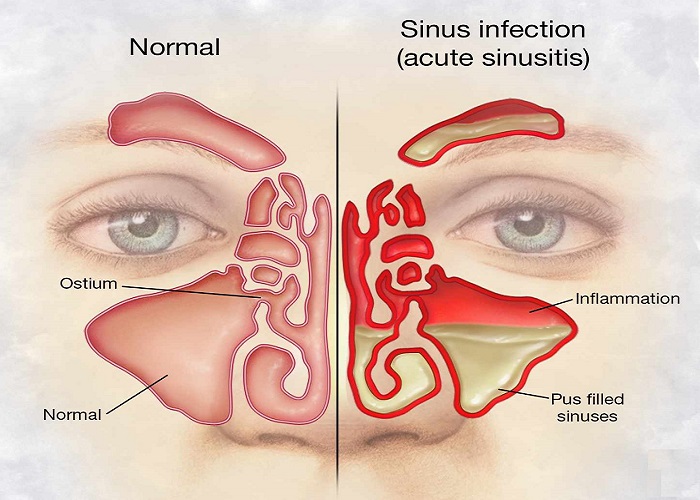
Chronic sinusitis
Chronic sinusitis (chronic rhinosinusitis) is persistent inflammation of the nose and sinuses lasting 12 weeks or longer. Symptoms may include nasal blockage, nasal discharge or post-nasal drip, facial pressure, and reduced sense of smell.
Evaluation may include nasal endoscopy and, when clinically indicated, a CT scan of the sinuses. Treatment usually begins with medical therapy. In selected patients whose symptoms remain uncontrolled despite appropriate treatment, endoscopic sinus surgery may be considered.
Allergic rhinitis
Allergic rhinitis occurs when allergens such as house dust mites, pollen, mould or animal dander trigger inflammation inside the nose. Common symptoms include sneezing, runny nose, nasal blockage, itching and watery eyes.
Assessment may include allergy testing when appropriate. Treatment can include allergen avoidance, antihistamines and medicated nasal sprays, with further allergy management considered for selected patients.
Nosebleeds (Epistaxis)

Nosebleeds (epistaxis) are common and usually occur when small blood vessels inside the nose become irritated or damaged. Common causes include dry air, nose picking, forceful nose blowing, nasal infections, allergies and minor trauma.
Some medications, particularly blood-thinning medicines, may increase the likelihood or severity of nasal bleeding.
Most nosebleeds are minor and can be managed with simple first-aid measures. However, recurrent, heavy or difficult-to-control nosebleeds should be assessed by an ENT specialist to identify the source of bleeding and determine whether treatment is required.
Treatment for Recurrent Nosebleeds
Treatment depends on the cause and site of bleeding. Management may include nasal moisturization, treatment of underlying nasal inflammation and, when a bleeding vessel is identified, nasal cauterization. Nasal endoscopy may be performed when necessary to examine deeper areas of the nasal cavity.
Home Care for a Nosebleed
- Sit upright and lean slightly forward. Do not tilt your head backwards.
- Pinch the soft part of your nose firmly for 10–15 minutes continuously without releasing the pressure to check.
- Avoid blowing or picking your nose after the bleeding stops.
- Avoid strenuous exercise, heavy lifting, very hot showers and hot drinks for the next 24 hours.
- Use saline nasal spray or gel to keep the inside of the nose moist, particularly in dry or air-conditioned environments.
- If you have recurrent nosebleeds, an ENT assessment may be needed to identify the bleeding point and determine whether treatment such as nasal cauterization is appropriate.
Seek urgent medical attention if the bleeding is heavy, causes dizziness or weakness, follows significant trauma, or does not stop despite 15–20 minutes of firm continuous pressure.
Procedures and Treatments
Diagnostic and Outpatient Procedures
Nasal Endoscopy
Nasal endoscopy is a commonly performed ENT procedure used to examine the inside of the nose and nasal passages in detail. It can help evaluate nasal blockage, recurrent or chronic sinusitis, nasal polyps, nasal discharge, nosebleeds and other nasal and sinus conditions.
A thin rigid or flexible endoscope with a camera is gently passed into the nose. A topical nasal spray may be used beforehand to reduce swelling and improve comfort. The examination usually takes only a few minutes and is generally well tolerated.
Nasal endoscopy allows direct assessment of areas that cannot be adequately examined with a routine nasal examination and can help determine whether further investigation or treatment is required.

Surgical procedures

Turbinate Reduction (Turbinoplasty)
The inferior turbinates are structures inside the nose that help warm, humidify and filter the air we breathe. When they become persistently enlarged, they can contribute to chronic nasal blockage and difficulty breathing through the nose.
Turbinate reduction (turbinoplasty) may be considered when enlarged inferior turbinates continue to cause significant nasal obstruction despite appropriate medical treatment.
Different techniques can be used to reduce turbinate volume while aiming to preserve the normal function of the nasal lining. The appropriate technique is selected according to the patient’s nasal anatomy and clinical findings.
Septoplasty
Septoplasty is an operation performed to correct a deviated nasal septum when it causes significant nasal obstruction or difficulty breathing through the nose.
The procedure is usually performed through the nostrils, so there is generally no external facial scar. The deviated portions of cartilage and/or bone are repositioned or reshaped to improve the nasal airway. Nasal splints or packing may be used in selected patients following surgery.
Treatment for nasal and sinus conditions is individualized according to the patient’s symptoms, examination findings and diagnosis. Medical treatment is considered whenever appropriate, while surgical treatment may be recommended when structural nasal obstruction or persistent sinus disease does not respond adequately to conservative management.
